By C&L Pressure Washing — Serving Florida Homeowners with Expert Care
There’s a story every Florida homeowner knows too well. You wake up one morning, open a cabinet, and catch that unmistakable musty smell. You shrug it off at first — “It’s just Florida humidity,” you tell yourself. But then you see it: dark spots along your baseboards, streaks on siding, a fuzzy patch under the kitchen sink. Before you know it, mold and mildew have moved in.
In Florida, that story isn’t unusual — it’s predictable. And understanding why it happens is your first line of defense as a homeowner.
The Hidden Villain: Florida’s Climate
Florida’s weather isn’t gentle on houses — it fuels mold and mildew like nothing else. Here’s the science behind it:
1. Warm Temperatures Year-Round
Mold doesn’t like cold. But Florida’s subtropical climate keeps temperatures in the ideal growth range for mold almost all year long — warm and inviting. Combine that with moisture, and mold spores spring to life.
2. High Humidity Is Everywhere
Florida’s relative humidity often exceeds 60% — sometimes hitting 70–80% year-round. That’s bad news for mold control, because mold spores thrive in moist environments. At humidity levels above around 60% indoors, mold can quickly begin to grow on walls, ceilings, carpets, and other surfaces.
Humidity isn’t just an outdoor problem. Warm, humid outdoor air sneaks inside through tiny gaps in windows and doors, and even through walls — feeding moisture into your home’s air.
3. Frequent Rain and Storms
Florida’s rainy season and hurricane season add another challenge: water. Heavy rains, sudden storms, and flooding push moisture into attic spaces, crawlspaces, and even behind walls through leaks or poor sealing. Even a small roof or window leak can introduce enough water for mold to start colonizing in as little as 24–48 hours.
How Mold & Mildew Actually Take Hold
Mold isn’t just something that happens randomly. It follows a pattern:
- Spores are everywhere. Mold spores float in the air naturally — indoors and outdoors.
- Moisture is the trigger. Spores need moisture to grow — whether that moisture comes from high humidity, rain seepage, condensation, or leaks.
- Organic material provides food. Wood, drywall, carpet fibers, dust — all offer nutrients mold loves.
- Time makes it visible. Within a couple of days of moisture exposure, microscopic growth can begin — often long before you actually see it.
Once conditions are right — warm, wet, and food nearby — mold spreads silently until symptoms like odors, stains, or health issues appear.
The Real Impacts on Your Home
Mold and mildew are more than cosmetic. They threaten your home’s structure and your family’s health:
- Property damage: Mold eats into wood, drywall, and paint, weakening structures and reducing curb appeal.
- Health risks: Prolonged exposure can trigger allergy symptoms, respiratory problems, and irritation, especially in children, seniors, or people with asthma.
- Hidden growth: Mold often grows in areas you don’t see — inside walls, under floors, or above ceilings — making early detection tough.
That’s why proactive prevention is vital for every Florida homeowner.
How to Stay Ahead of Mold in Florida
If Florida weather is the problem, then smart management is the solution. Here’s how to fight back:
Control Indoor Humidity
Keep indoor relative humidity between 30–50%. Many experts suggest keeping it well below 60%, and ideally around 40–50% to slow down mold growth.
You can do this by:
- Running your air conditioner properly (not too cold, not too quick cycles).
- Using dehumidifiers in areas prone to moisture.
- Ventilating steam-heavy areas (bathrooms, kitchens) with exhaust fans.
Seal and Maintain Your Home
Humidity and rainwater enter through:
- Gaps around windows and doors.
- Cracked siding or leaky roofs.
- Poorly ventilated attics and crawlspaces.
Regular inspection and maintenance — caulking, sealing, and repairing — reduce moisture entry points.
Dry Wetness Fast
Whether from a storm, a plumbing leak, or a spill, dry everything within 24–48 hours. Mold can begin growing in that window of time if moisture lingers.
Watch for Early Signs
Look for:
- Musty odors.
- Stains or spotting on walls and ceilings.
- Condensation on windows.
Early detection prevents bigger problems later.
How C&L Pressure Washing Can Help
Florida’s weather keeps mold on the attack — but you don’t have to fight it alone. At C&L Pressure Washing, we help homeowners protect their properties from mold, mildew, algae, and moisture-related damage with professional exterior cleaning services designed specifically for Florida conditions.
Whether you need:
- Exterior mold and mildew removal
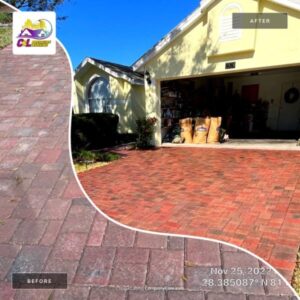
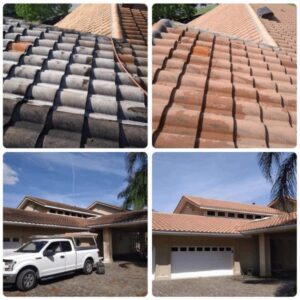
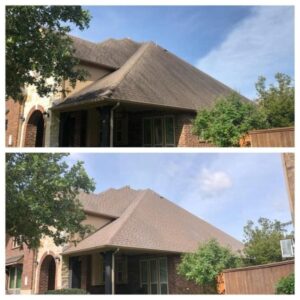
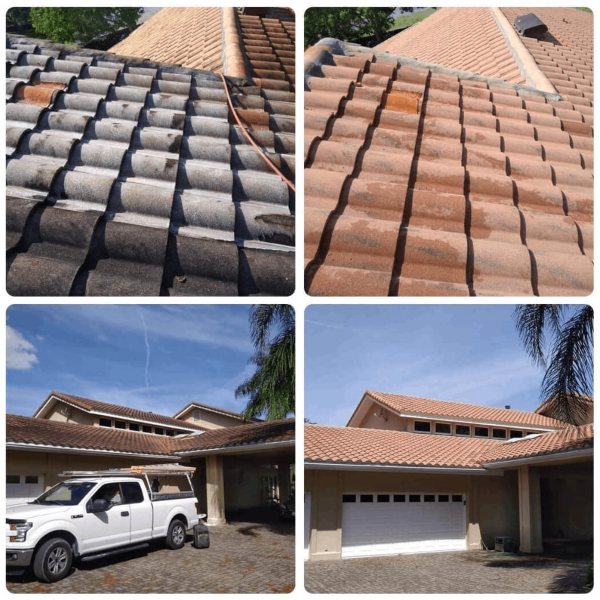
- Pressure washing for siding, roofs, and patios
- Preventative maintenance plans
— we deliver expert care with long-lasting results.
Florida weather doesn’t have to mean mold problems. With awareness, proper moisture control, and the right team on your side, you can protect your home and your family.